Define the channel
Separate depot case demand from the consumer-facing assortment
BUYER INTELLIGENCE
A cash-and-carry buyer is not simply choosing attractive bottles. The assortment must work for the depot, for independent retailers who buy the cases, and for the shopper who eventually picks a single product off a shelf. This guide explains how to evaluate skincare ranges before a stock commitment: product eligibility, pack architecture, total landed economics, inventory cash exposure and replenishment discipline.
Separate depot case demand from the consumer-facing assortment
Check GB Responsible Person, labelling and SCPN responsibility
Confirm GTIN, outer-case units, dimensions and presentation
Account for unit cost, freight, breakages, rebates and stock finance
Test reorder procedure, quality response and stock cover
| Decision gate | Request from supplier | Buyer action |
|---|---|---|
| Regulatory gate | GB Responsible Person, safety documentation, SCPN status, final label | Stop until verified |
| Retail identification | GTIN owner, inner and outer quantity, images, carton size | Approve data against SKU |
| Economics | Incoterm, landed cost, depot margin and retailer sell-through scenario | Review contribution per case |
| Product mix | Core face-care products, target retail price and unit volume assumptions | Pilot a focused range |
| Replenishment | Forecast cadence, minimum reorder and defect escalation | Set measurable review points |
Cash-and-carry operators serve professional buyers who need short selection time, clear case prices, fast stock movement and predictable replenishment. First define whether the depot serves convenience stores, discount beauty shops, independent pharmacies, salons or a mixed trade customer base. A ten-SKU serum-led assortment will not perform identically in every channel. Build one primary buying mission for each group: routine top-ups, entry-level skincare, specialist beauty or seasonal gifting.
Document a category brief before inviting suppliers: customer type, retail price architecture, number of shelf positions, maximum inventory investment, warehouse handling limits and target replenishment frequency. Be cautious with claims such as high margin or guaranteed sell-through. A supplier cannot know a depot’s trading conditions from product photography alone. Ask for cases and barcodes that fit your warehouse and checkout processes.
An opening range might distinguish cleansing, hydration, targeted serums, eye care and a sun-care category rather than presenting ten near-identical products with competing names. Evaluate price points and the shopper’s ability to understand what each item does. The core should make sense as a facial-care routine and as an individually purchased item. This does not imply that every concept product is market-ready or that every product needs a place in the initial depot launch.
Review duplicate function, near-identical packs, colour-coding and the amount of customer explanation required. If a depot buyer cannot distinguish the products within a short buying conversation, a convenience-store customer will probably struggle too. Ask the supplier for an approved line sheet, nominal pack size, validated benefits and clear photographs showing the actual unit and outer case—not unapproved conceptual designs.
Before a cosmetic is made available to consumers in Great Britain, identify the GB-based Responsible Person, applicable safety assessment and Product Information File, relevant labelling and the Submit Cosmetic Product Notification process. The UK government’s guidance explains the obligations; do not assume that an EU CPNP record automatically substitutes for a GB SCPN notification. Great Britain and Northern Ireland may involve different compliance routes.
Ask who is the importer, who controls batch release, where records are held, and who responds to a retailer or Trading Standards query. A supplier can be ready to discuss export without having completed every destination-market approval. Mark documents as verified, pending or not applicable. Do not treat a rendered pack with an SPF number or ingredient claim as legal substantiation for a finished product.
Each sellable item needs correctly assigned product identification and a reliable mapping to an inner or master case. GS1 states that the brand owner is normally responsible for allocating GTINs. A printed barcode in a digital image is not proof that the code is licensed, scannable or matched to the intended trade item. Confirm sale-unit codes, outer quantities, dimensions, pack weight, shelf-facing artwork and the carton’s resilience in handling.
A useful product master should include SKU, GTIN, product name, net content, case quantity, pallet assumptions, case dimensions, batch-marking location, approved image, current compliance status and sourcing terms. Use the same record for receiving, online listing, depot shelf labels and supplier invoices. Any mismatch creates friction, even when the initial unit price is attractive.
Compare quotations using the same destination, currency and Incoterm. Include freight, customs formalities where applicable, secondary packaging, warehouse handling, potential damage, testing responsibilities, promotion support and credit terms. For a wholesaler, margin exists at two stages: the depot needs a viable contribution and its retailer customer still needs an attractive economics story at the final shelf.
Create three scenarios rather than an invented single ROI figure: initial trial cases, a repeat order of the winning SKUs, and a wider assortment if sell-through supports it. Measure working-capital exposure and slow-moving stock, not just gross percentage margin. A supplier’s MOQ may be a production constraint; it is not evidence of market demand.
Set a bounded trial with a defined list of stores or depot customers, a specific review date and measurable results. Track cases received, cases sold to trade customers, reorder rate, damaged units, missing master data, returns and customer questions. These are operational measures, not guarantees that any Glowingup product will achieve a certain volume.
Exclusivity should only be considered after confirming territory, volume obligations, service levels, legal capacity and termination terms. If supply is cross-border, obtain written clarification of responsibilities for import, notification, artwork changes and claims. A narrow trial can be commercially more valuable than a large unvalidated first order.
Send a structured buying brief: destination market, depot locations, target trade customers, the selected skincare categories, nominal sizes, planned initial quantities by SKU, intended retail price bands, who will own GTINs, required case structure, marketing assets and preferred delivery basis. Ask the supplier to state which items are approved now, which are in development and which require destination-market action.
For Glowingup London, the public programme presently references enquiries from 2,500 units per item and 10,000 units overall. These are enquiry thresholds, not a claim that any product is already approved for the GB market or available for immediate shipment. The practical next step is a commercial discussion that includes company identity, destination, target quantities and packaging language.
Primary sources
GLOWINGUP LONDON / TRADE
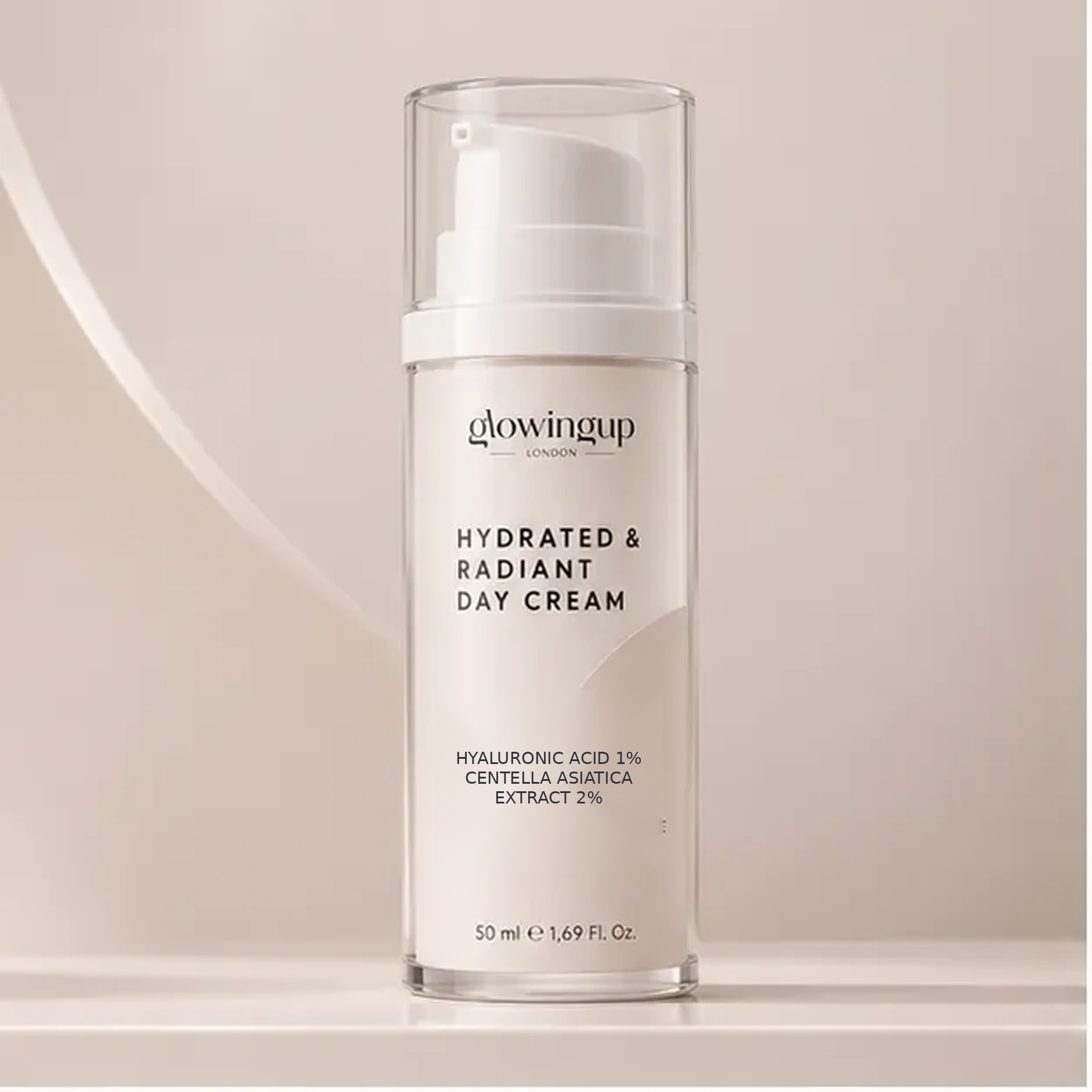
Concept product image; completed product labels, claims and documents must be verified.
Discuss a UK cash & carry skincare range ↗