Choose the model
Set formula ownership, destination, licence and brand requirements
BUYER INTELLIGENCE
For a private-label cosmetics buyer, the lowest factory price is only one part of a viable launch. Brand ownership, formulation rights, documented quality, packaging minimums, import responsibilities and repeat supply must agree. This original UK-and-EU buyer handbook explains how to verify a real manufacturer, obtain comparable RFQs, assess GMP and samples, plan MOQ economics, assign Responsible Person responsibilities and contract a repeatable product programme. Illustrative numbers are hypothetical and do not represent Glowingup inventory, approval status or live commercial offers.
Set formula ownership, destination, licence and brand requirements
Check real plant, production capability, ISO 22716 practice and quality evidence
Compare fully itemised RFQ offers, component MOQ, tooling and tests
Assign GB/EU Responsible Person, PIF, safety and notification work
Approve formula, golden sample, artwork, batch QA and enforceable terms
| Decision gate | Request from supplier | Buyer action |
|---|---|---|
| Actual manufacturer | Legal identity, plant, subcontractors and quality manager | Audit capability, not brochure |
| Formula and artwork rights | Licence, formula revision, exclusivity and ownership agreements | Confirm rights before tooling deposits |
| Total commercial costs | MOQ per SKU, containers, pumps, testing, cartons and one-time fees | Compare normalized unit economics |
| Factory GMP and testing | ISO 22716 practices, traceability, sample and batch records | Demand meaningful QA evidence |
| GB / EU compliance | Responsible Person, CPSR, PIF, final labels, SCPN / CPNP | No sale without market eligibility |
| Packaging and identity | Final artwork, pack compatibility, GTIN and case quantities | Validate finished retail SKU |
| Contracts and continuity | Payment, delivery terms, defects, recall and tooling rights | Protect repeatable manufacturing |
Private label, OEM and ODM are terms used inconsistently across cosmetic suppliers. Some factories offer existing formulations with a different brand, while others design new formulas or assemble products using licensed ingredients and packaging. Ask who developed the base formula, whether exclusivity is possible, who owns improvements and what happens if the manufacturing relationship ends. A bespoke-looking bottle does not establish ownership of the recipe. The buying brief should distinguish stock formula, modification and proprietary development before quotations are compared.
Specify the product's actual cosmetic function, intended markets, brand positioning, packaging size, channel, target consumer price, ingredient restrictions and expected first order. Define what is mandatory and what is negotiable. If two suppliers price a serum differently, determine whether the difference comes from a custom preservative system, standard packaging, label printing or testing scope rather than assuming a better bargain. Record whether the supplier is the factory, a broker or a coordinator of subcontractors.
Create a named responsibility matrix for formula, artwork, testing, safety assessment, regulatory notification, import, batch release, complaints and recall response. A turnkey offer is useful only when responsibilities and evidence are written down. The brand, manufacturer, importer and Responsible Person can be separate legal entities. Buying teams should not confuse the commercial point of contact with the person legally accountable for placing cosmetics on a specified market.
Procurement deliverable: prepare one signed brief with target sales territory, desired product function, price tier, formula ownership requirement, pack size, label language, quality scope and decision-maker. Every supplier should answer this identical revision. A project register should distinguish a cosmetic stock formula from a new formula and record whether production-ready evidence exists. This prevents the buyer from comparing concept designs to available commercial products or confusing a marketing label with a legally approved pack.
Ask for the legal entity name, company registration, production location, permitted activities and actual factory contact. Verify whether filling, bulk blending, labelling and packaging take place at one site or via subcontractors. A trading company can be a legitimate commercial supplier, but the buyer needs to know who controls the equipment and the batch records. Request the named quality manager and the available manufacturing scope, including whether an existing line can handle the chosen viscosity, filling volume and packaging components. [6]
Evaluate supplier quality evidence through actual practice. ISO 22716:2007 offers guidance for cosmetics good manufacturing practices covering production, control, storage and shipment. An ISO 22716 certificate, even if genuine and current, does not itself guarantee regulatory eligibility for a specific finished formula or country. Review its scope and issuing body and ask for examples of training, cleaning, raw-material checks, deviations, batch identification, line clearance and complaints management, appropriately redacted where confidential.
Develop an evidence-based shortlist. Score factory capability, product compatibility, sample quality, documentation responsiveness, capacity, commercial flexibility and supply risk. Investigate whether the plant has appropriate quality systems for the proposed type of product; producing soaps is not proof it can reliably make a complex serum in the target pack. A site visit or structured remote audit may be warranted before large deposits. Record unresolved questions rather than awarding full marks because a sales presentation appears polished.
Request a dated registration extract, verified manufacturing site details, identified subcontractors, quality management contacts and scope of production. Where a GMP certificate is presented, check the actual site and activities covered rather than treating any certificate as transferable across unrelated product classes. Ask for redacted batch and deviation records that show actual control in operation. The outcome of a supplier call should be a documented open-issues list with owners and evidence requirements before financial commitment.
A professional RFQ identifies the target market, exact product category, formula variant, pack size, packaging specification, carton configuration, estimated annual volumes, first shipment, needed tests, labelling languages and expected documentation. Ask for a named Incoterms 2020 rule and place, requested delivery date, currency and payment terms. Pricing a generic 50 ml container without defining the bottle, closure, label and tested contents produces unreliable comparisons. Include an RFQ revision number so suppliers respond to the same version.
Request an itemised response: formulation and development charges, bulk production cost, filling, standard or custom components, printed packaging, testing, labels, secondary cartons, case packing, export paperwork, tooling and any per-order administrative fee. Ask which expenses recur and which are paid only once. Require quotations at identical order quantities, for example illustrative tiers of 2,500, 5,000 and 10,000 units per SKU. Clarify whether a quoted MOQ applies to each fragrance, each product, each artwork design or a combined order.
Compare fully specified delivered and compliant costs, not merely the lowest quoted factory gate unit price. A supplier may omit cosmetic safety documentation while another includes paid assessments, or may treat pump and carton costs as extras. Identify whose contract and bank account receive the money. A quote without explicit exclusions, validity date and acceptance criteria should remain provisional. Never use one supplier's packaging specification when ranking a cheaper quotation built on a different bottle or untested pump.
Build a supplier comparison table showing exact formula revision, package components, finished unit cost, one-time development fees, validation charges, testing responsibilities, minimum component quantities and agreed delivery boundary. Add expected production slot and quote validity. Use a recorded currency conversion rate for international bids and retain the original quotation currency. A supplier's headline unit price is not a reliable winner until every omission, payment stage and regulatory responsibility has been normalized on the same basis.
Cosmetics minimum order quantities often reflect material and component constraints rather than filling capacity alone. Stock bottles, caps, pumps, printed labels, cartons and custom moulds may have separate production minimums. Ask for the minimum of each component and how excess components will be stored, owned and used after the first shipment. Shared standard packaging can reduce initial exposure, but component substitutions must undergo compatibility and artwork checks. A lower MOQ is commercially attractive only when the actual unit price and repeatability remain workable.
Illustrative arithmetic: 3,000 saleable units at a factory cost of £1.40 require £4,200 for finished goods. Assume a hypothetical £2,100 in one-time artwork, testing and tooling. Charging those one-time costs entirely to the initial run adds £0.70 per unit before freight, duty, VAT treatment and warehouse expense. If paid-for tooling is available for later runs, those future economics may differ. These numbers are not current Glowingup offers or typical industry rates; they demonstrate why an apparent low unit price can conceal substantial launch spending.
Build cash-flow scenarios for a modest pilot, an evidence-based repeat order and a larger expansion order. Record supplier deposit, balance payment, sampling, tests, storage, freight and time to first customer receipts. Validate remaining shelf life and forecast consumption before accepting an oversized order for a lower factory price. A buyer should know what happens to unused cartons if the formula or label changes. The cheapest unit price is rarely the full answer when working capital and stock ageing are material.
Evaluate whether a generic bottle or shared closure can reduce the first order compared with a fully custom mould. Ask for separate minimums on pumps, cartons, labels and filled product, plus written rules for excess packaging stock. Estimate holding costs, possible artwork changes and the date by which inventory must be sold. An increased order volume should be supported by demand evidence, not only by a lower price break. A smaller pilot can be the cheaper commercial decision.
Begin every sampling round with a controlled specification. Record product code, formula revision, target texture, intended claim, ingredient constraints, fragrance, colour, package identifier and applicable market. Distinguish a visual concept from a physically manufactured prototype. Approve an initial laboratory sample, then obtain appropriate stability and compatibility evidence before authorising a final golden sample and commercial production. An attractive sample cannot be assumed safe or unchanged across a large batch.
Agree ownership or licence terms for the recipe, improvements, test results, design files, trademarks, printed plates and moulds. A supplier may own a standard base formula even though the buyer owns its trademark and artwork. A nondisclosure agreement alone does not transfer intellectual property. Review exclusivity conditions, territorial restrictions and rights to use existing research. Ensure that signed specifications and artwork can be retrieved after an employee leaves or the manufacturer changes. A buyer should understand which information it may lawfully transfer to a replacement factory.
Use documented change control for raw-material suppliers, preservatives, fragrance, pack material, bottle geometry and subcontractors. A seemingly minor packaging swap can affect leaks, compatibility and label presentation. Each change requires review of cost, technical testing, regulatory evidence and timelines. Do not permit unapproved substitution simply because a component is unavailable. Archive the approved sample and maintain revision history so factory production, safety assessment, procurement and product photography all refer to the same commercial article.
Create a master specification signed by the buyer and manufacturer. Record the reference sample, formula code, approved raw-material or perfume changes, artwork revision, compatibility and stability status and who may authorize a deviation. If a transfer to another manufacturer might be necessary, the contract should identify which technical files and moulds the buyer can lawfully obtain. Paying a development invoice alone does not settle formula IP ownership. Commercial and legal review should happen before exclusivity is promised.
ISO 22716 provides an audit framework for cosmetics production, quality control, warehousing and transport, rather than a universal product approval certificate. Ask the factory how staff are trained, cleaning records are kept, materials are quarantined, manufacturing steps recorded, deviations investigated and batch release authorised. Request examples of traceability from a finished lot back to key raw materials. A quality policy document is less persuasive than actual dated records that show the system works in practice. [8]
Technical testing must match the formula and packaging. Depending on the product and risk assessment, relevant work can include microbiological quality, preservative challenge testing, stability, packaging compatibility, transport integrity, filling performance and substantiation of label claims. There is no single testing package that should automatically be declared sufficient for every cosmetic. Qualified assessors and Responsible Persons should help determine appropriate requirements. Record who funds repeat testing after a failed result and who approves modifications.
Define batch-release criteria before the production deposit is paid. Relevant controls may include correct formula revision, completed manufacturing record, compliant label and unit counts, confirmed pack integrity, acceptable agreed test results and batch traceability. Establish inspection, defect escalation and recall communication processes. A supplier's promise of zero defects is not a quality system. Buyers need rights to investigate leaks, incorrect artwork, underfilled containers and other nonconformities, with clear commercial remedies and escalation deadlines.
Trace every approved batch from the formula revision through raw material receipts, filling instructions, printed packs and release records. Retain the approved golden sample and require investigation of deviations before dispatch. The specific test programme should be determined by product risks and competent quality personnel, not a generic sales brochure. Confirm who pays when microbial, stability or compatibility tests fail and whether reformulation restarts relevant reviews. Documentary control is as important as physical appearance.
For Great Britain, GOV.UK describes the applicable Responsible Person, cosmetic product safety assessment, Product Information File, label and Submit Cosmetic Product Notifications responsibilities. A non-UK factory does not automatically fulfil the GB Responsible Person role. The importer, brand owner and specialist compliance service may have different functions depending on the legal arrangement. The buyer must establish the actual roles and retain suitable evidence linked to the finished formula and artwork before making products available to GB consumers. [1] [2] [3] [4] [5]
For EU countries, Regulation (EC) No 1223/2009 requires an EU-established Responsible Person and sets out safety report, PIF, labelling and CPNP notification obligations. CPNP is a notification system, not a governmental approval certificate for the formulation. A product notified through the EU portal should not automatically be described as notified for Great Britain, and an SCPN entry should not be treated as a substitute for the EU process. A rebranded or materially modified formula may require the roles and documentary status to be reconsidered.
Northern Ireland needs its own regulatory assessment. Confirm destination, language requirements, ingredient restrictions and label statements rather than claiming that one undifferentiated European certificate covers all markets. Ask the person responsible for product compliance to approve final claims, warnings and pack text. Borderline medicinal, biocidal or therapeutic claims require specialist scrutiny. A factory's prior export sales do not establish that a new private-label variant has completed all destination-market requirements.
Make three destination-market columns for Great Britain, EU and Northern Ireland. For each, identify the Responsible Person, applicable assessment and product information, notification system and final labelling approval. Neither CPNP nor SCPN is a generic marketing approval certificate. A changed ingredient, brand presentation or manufacturing site may require new review. Ask the compliance lead to sign off market readiness by exact SKU; do not reuse a previous product's legal dossier without confirming its scope.
A private-label pack must both sell and communicate reliable product information. Lock the final legal product name, nominal content, relevant Responsible Person details, batch code, ingredient list, warnings and durability information as required for the relevant market. The language and presentation requirements can differ across destinations. Test print legibility on physical packs and confirm any label, sleeve or ink remains compatible with the product. Promotional packaging imagery should never be substituted for a signed production proof. [7]
GS1 guidance generally places responsibility for assigning product identifiers with the brand owner. Verify a genuine, unique GTIN for the finished consumer unit and consider relevant case-level identifiers. A barcode displayed in a computer mockup is not proof of licensed ownership or checkout reliability. Packaging changes may require identifier review. Ask for pack and carton measurements, case quantity, gross weight, lot coding position and master data that match purchase orders and warehouse receiving.
Prepare a signed pack approval matrix for every SKU and destination. Link formula ID, artwork version, packaging bills of materials, label translations and quality test references. Define ownership and custody of custom dies and moulds. Check leak and transport damage risk before committing to a container. A packaging change may have simultaneous consequences for consumer claims, factory tooling, customs packing assumptions and the retailer's shelf capacity.
Require a physical print proof on the intended pack, including durable lot markings, readable instructions, nominal contents and accurately presented ingredients where required. Check that the consumer-unit identifier and case data agree with retailer receiving records. Packaging should be tested with the actual filled formulation and expected transport conditions. An attractive mockup is not evidence of print durability, barcode functionality, shelf suitability or approved cosmetic claims. Document component and tooling ownership alongside the final artwork.
Contracts should name the actual legal parties, product specifications, authorised manufacturers and subcontractors, applicable Incoterms and delivery point, payment milestones, testing obligations, inspection rights, defect remedies, intellectual-property rights and change control. A quotation is not a substitute for a manufacturing agreement. Clarify who owns moulds, remaining packaging, formulas where licensed, artwork and test data. Specify practical access and transfer terms in case production stops. Exclusivity should identify product, market, duration, channel, purchase commitments and exit provisions. [10]
Define how batches will be accepted or rejected and what happens if labels, closures, fill quantities or test results fail agreed criteria. Include investigation time frames, replacement or credit mechanisms, safe disposal and responsibility for related costs where enforceable. The buyer needs a process to access lot records and coordinate complaint or recall responses. Insurance and limitation-of-liability clauses should be reviewed with professional counsel rather than accepted as harmless boilerplate.
Plan continuity before launch. Understand raw-material and component dependencies, expected repeat lead times and the implications of changing plants. Ask how the factory notifies buyers about material shortages, formula modifications and important subcontractor changes. A cheap quote is less attractive if the brand cannot move owned moulds or secure its next delivery. Assess whether the contract supports profitable, compliant replenishment rather than merely an impressive first promotional shipment.
Include practical rights to inspect, investigate batch failures, stop nonconforming shipments, recover owned tooling and receive necessary traceability information after termination. Establish written escalation for substitutions and production interruptions. Review lead-time risks from single-source ingredients and specialist packaging. A supplier's low first-order price is less compelling if the buyer cannot repeat the product, secure its moulds or respond quickly to a safety complaint. These obligations need contract terms rather than informal promises.
Use a weighted supplier scorecard adapted to the buyer's risk priorities. An illustrative split is regulatory/documentation readiness 25%, manufacturing quality 20%, fully loaded economics 20%, lead time and flexibility 15%, packaging and differentiation 10%, and communication/change control 10%. These weights do not constitute an accreditation standard. Missing legally necessary evidence should be a stop condition regardless of commercial score. Record specific supporting documents behind each grade and have technical approval for product-critical decisions. [9] [11]
Send a complete RFQ containing buyer details, intended countries, channel, product and formula type, brand/IP requirements, volume tiers per SKU, packaging specification, target market claims, sample process, desired tests, documents, nominated Responsible Person arrangements where known, delivery terms and payment proposals. Ask the factory to identify exclusions and answer each point separately. Keep a comparison sheet for development cost, recurring per-unit cost, MOQ, documentation and lead times. Follow up missing information before negotiating price alone.
Use a stage-gate launch plan instead of promising a fixed ninety-day release. The early stage establishes the brief and qualifies factories; the middle stage tests samples, packaging and legal responsibilities; the final stage obtains evidence and approves batch and commercial commitments. These steps may take significantly longer than an illustrative three-month programme, especially when new testing or custom tooling is required. A buyer should not authorise mass production simply to meet an advertising date while safety or artwork review remains unfinished.
Before approval confirm the real factory, signed specification, documented formula rights, satisfactory relevant tests, GB/EU responsibility allocation, transparent MOQ and cost schedule, adequate batch and recall records, enforceable supply terms and a realistic repeat-order model. Unknowns should have named owners and review dates rather than being entered as zeros. Glowingup London welcomes qualified private-label sourcing enquiries, but this general guide does not claim any specific product is presently approved, available or contractually offered.
Before selecting a supplier, score at least two candidates against the same compliance, quality, pricing, flexibility and communication criteria. An unanswered legal or safety requirement should block approval regardless of price. Present the decision with the evidence, unresolved questions, payment exposure and first-batch approval gates. Use the early project period for qualification and sampling, then advance to testing and contract sign-off only when documents support the next stage. Marketing deadlines must not override safety approval.
Notes and official sources
Sources compiled between 22 and 24 November 2026. Requirements may change.
GLOWINGUP LONDON / BUSINESS
Review the Glowingup London product concepts and tell our team about your destination market, assortment and approximate volumes. A discussion is not a confirmed purchase order.
GLOWINGUP LONDON / TRADE
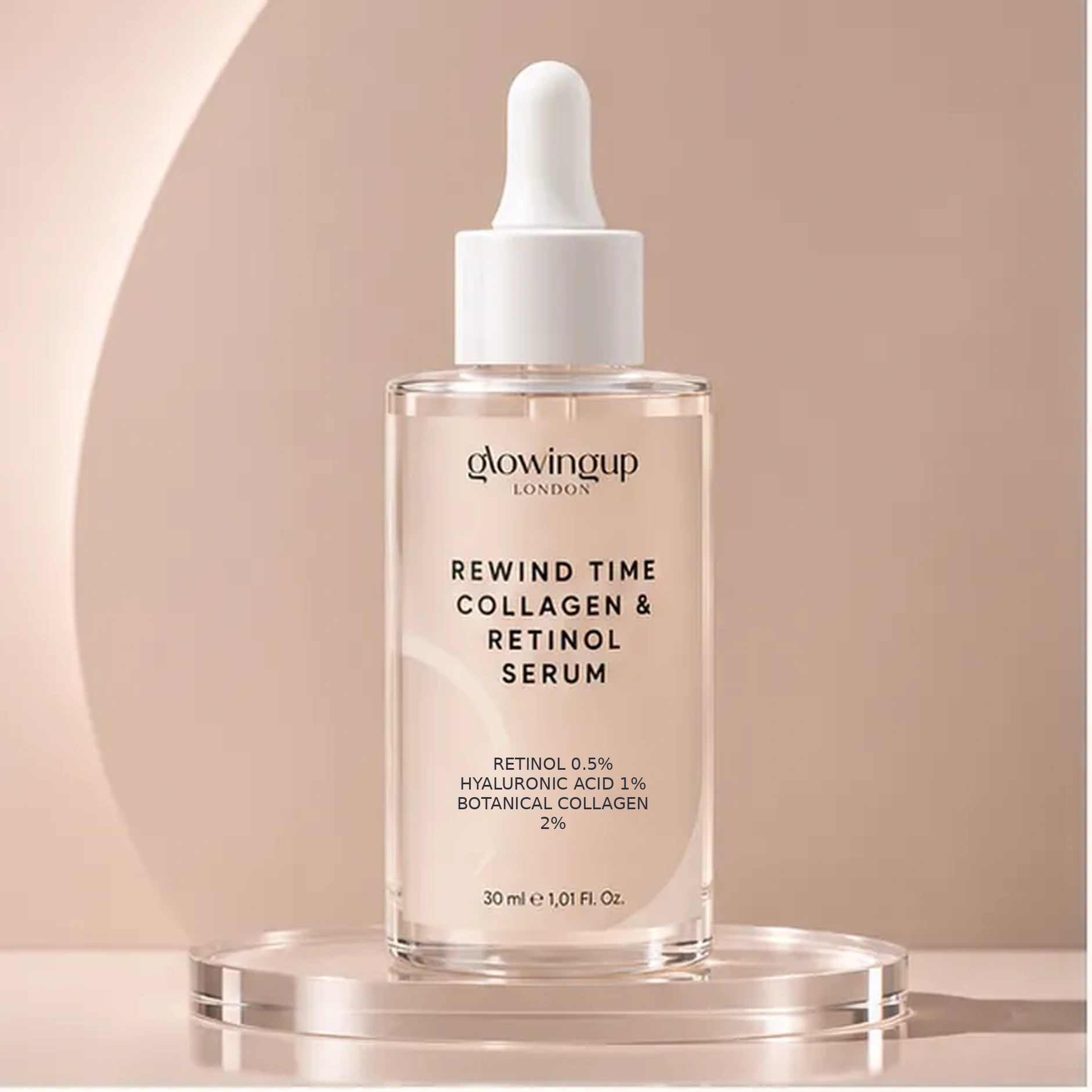
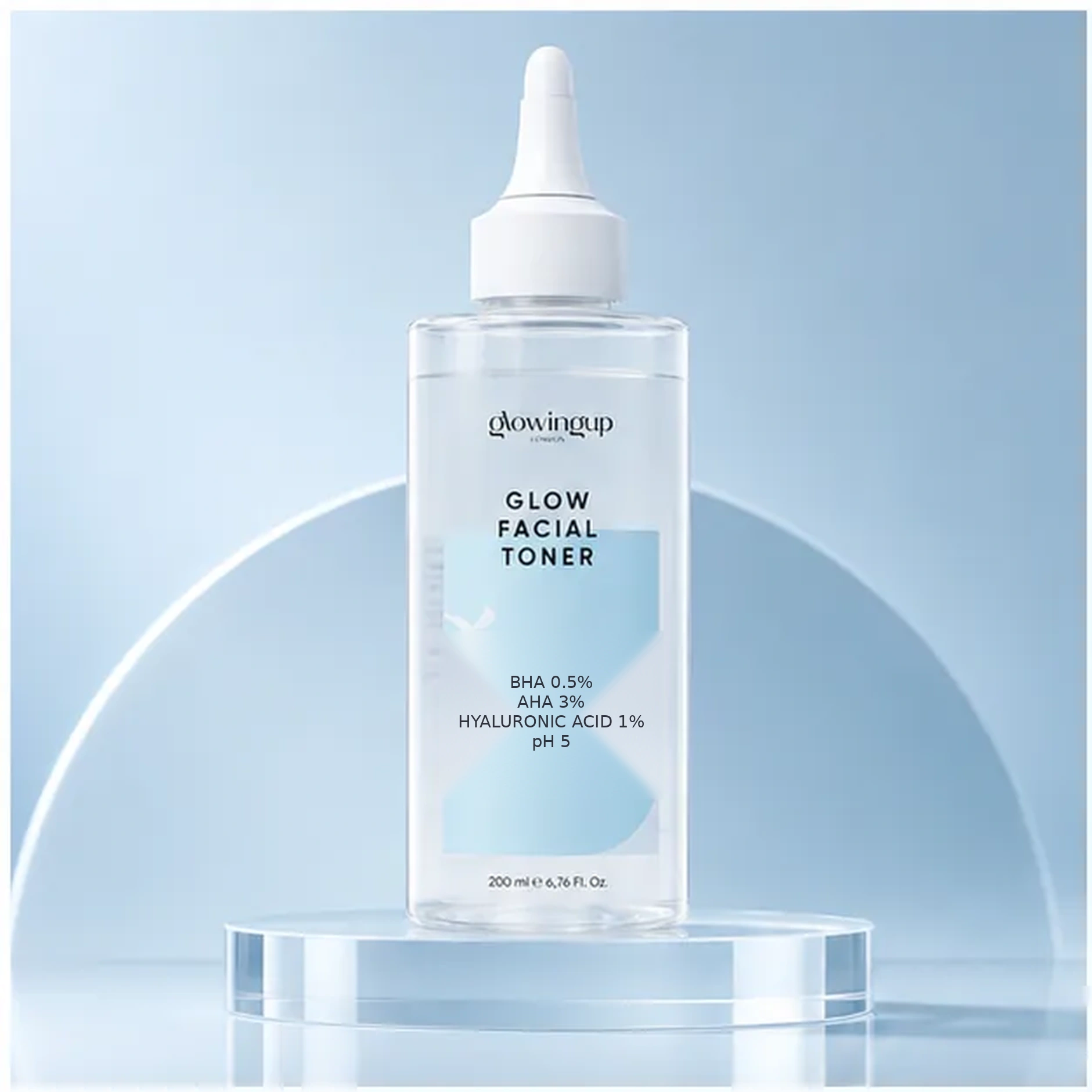
Concept product image; completed product labels, claims and documents must be verified.
Discuss your private label manufacturing sourcing brief ↗